What is a bomärken?
A house mark (Finnish: puumerkki, Swedish: bomärke) is a traditional Nordic identification mark historically used by families, individuals, and homesteads, particularly before literacy became widespread.

How House Marks Were Used and Inherited
- Signatures and Property: Used to identify and authenticate property, these simple, linear or geometric marks were carved, cut, burned, or engraved into tools, wooden artifacts, and goods to designate ownership and origins.
- Inherited Lineage and Variants: Marks were closely tied to family lineages and homesteads, often inherited across generations. When distinguishing between family members or branches, new marks evolved by adding strokes, lines, or curves to the original design.
- Usage: Widely used for centuries—reaching peak adoption toward the end of the 16th century—the practical need for house marks gradually declined as literacy spread in the 19th century, leaving them primarily as decorative heritage, symbols, or logos today.
For a deeper dive into their history and usage, read Dick Erickson’s article on his journey of understanding ‘marks’.
Owner’s Marks (Bomärken – Puumerkit) in Nedervetil
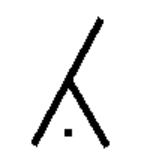
Pelo homested 1759, used by Pehr Mattsson Pelo (Plogman today)
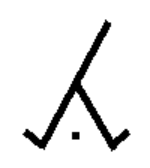
Matts Johansson Pelo about 1840. Later used by Karl-Johan Pelo
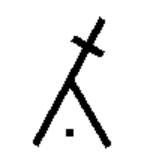
Mathias Mattsson Pelo 1892 (Aurén)
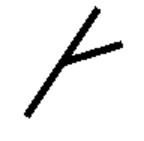
Johan Mattsson Pelo 1759
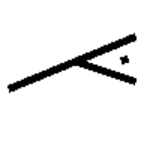
Henrik Mattsson Pelo 1759
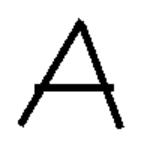
Anders Mattsson Pelo 1759
Source: June Pelo