This article explores the historical significance of bomärken (farm and property marks) in Swedish-speaking Finland, illustrated through the author’s family roots in Ytteresse. It details how these unique geometric symbols were used to identify property, track family lineages across generations, and authenticate goods prior to widespread literacy. By showcasing preserved family artifacts—including marked wooden shovel handles dating back to 1828—the text highlights bomärken as a lasting cultural link to ancestral heritage and community life.
Article by Dick Erickson
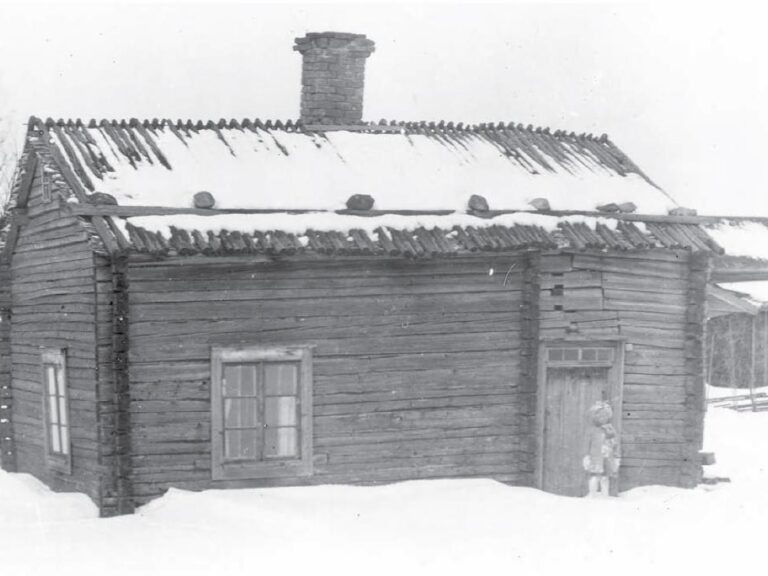
My journey in understanding ‘marks’ began when I looked at a gift we were given several years ago by a close family member. On the back side of the carving (Flakabrä) was a mark or ‘bomärke’ shown in the picture. Obviously, this one was done to represent the family mark on a piece of art. Many may not understand the history of the mark, so I wanted to share what I have learned. As a bit of background this part of my family came from Påvall, Ytteresse, Finland. That is where my examples are from.
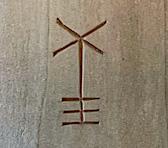
This mark extended from Jakob Henrikkson Påvall (1856-1938) who changed his name to Snellman, moving to Hummelholm, Esse about 1880.
Bomärken, or property marks/farm marks/house marks, have a rich history in the Swedish speaking regions of Finland. These unique symbols were traditionally used to mark personal belongings, ensuring that items could be easily identified and returned to their rightful owners.
Depending on what was to be marked, the brand mark could be carved, cut, burned, engraved or sewn in, etc. (from Vasa Museum). The use of brand marks dates back centuries, reaching its greatest use towards the end of the 16th century.
Many bomärken were inherited within families and sometimes evolved over generations, maybe with small changes indicating which family member it belonged to. Sometimes the marks had symbolic elements, such as crosses, arrows, hearts or other simple geometric shapes, and could carry meanings understood within the family or community. To distinguish between different family members, the mark could be slightly modified as mentioned. For example, the father might use a simple cross (X), the son might add a horizontal line and the grandson a hook or curve. These variations made it possible to identify the individual without breaking the connection to the original family mark. That ensured that tools or items marked with a variant would not be misattributed.
Over time, it is possible that different branches of the same family might have developed entirely new variants.
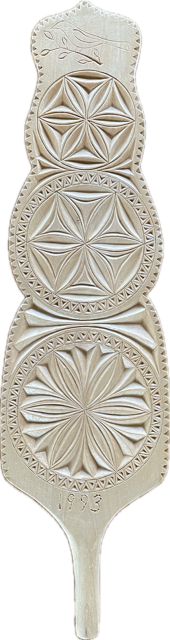
or Falkabräde
The whole family could also use the same bomärken, especially if it was a small family or they lived close to each other. In larger families or when several related families lived near each other, different branches might use their own variations of the bomärken to avoid confusion
During the medieval period, bomärken were even used as a form of certification for goods sold in towns, indicating the origin of the products. However, as literacy rates increased in the 1800s, the need for these symbols diminished. Today, they are primarily used for decorative purposes or as a nod to tradition. Some people still use them on fishing gear, farm logos or even as tattoos.
Even today, many examples of bomärken are still preserved. These marks can be seen on old buildings, tools, and other objects that have withstood the test of time. They serve as a reminder of a time when life was simpler but also more dependent on community and cooperation.
Following is one page of a document by Runar Klemets from Ytteresse showing a few historic bomärken. Other resources for understanding bomårken can be found through the Vasa Museum. In addition, June Pelo published a brief article on the SFHS website on June 25, 2021, which covered bomärken in the Pedersore Parish. Also, the Vasabladet newspaper published an article some years ago titled “Bomärken I Jeppo.”
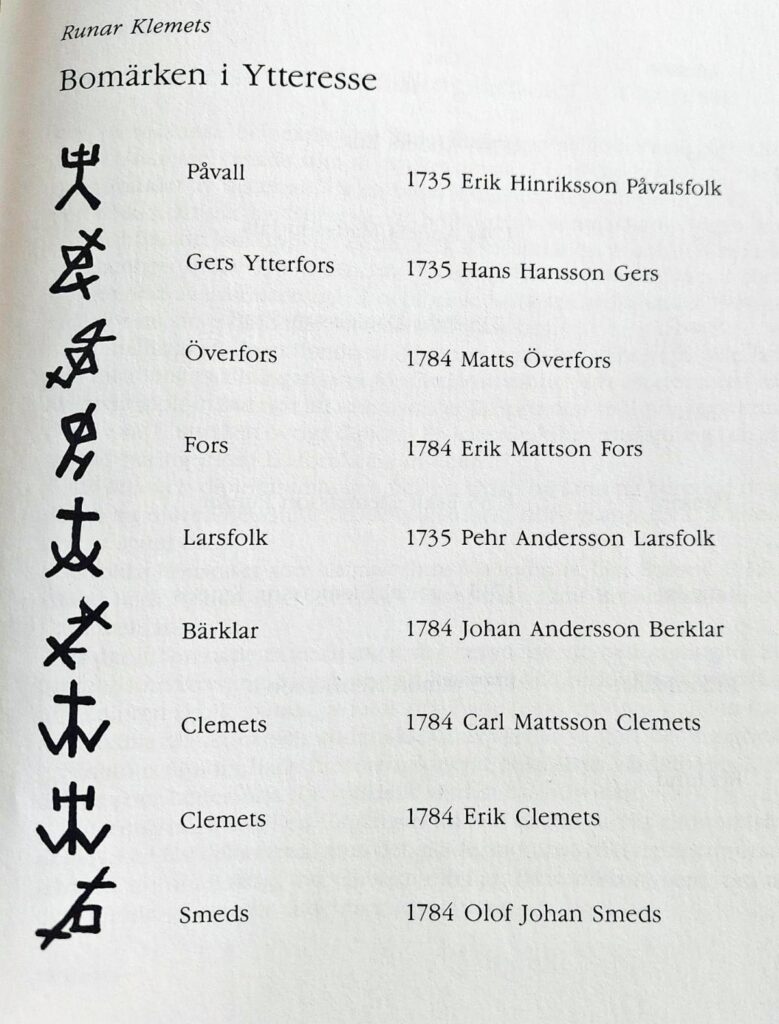
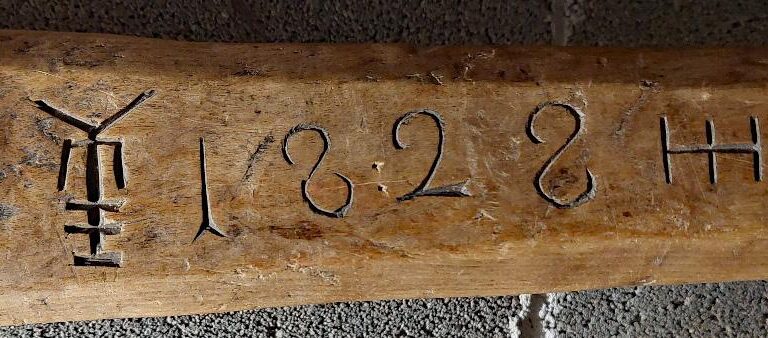
As mentioned, part of my family comes from Påfvals (Påvall), Ytteresse. There is an image above dating back to 1755 for Erik Hinriksson Påvalsfolk. Below shows some variants on two old wooden shovel handles, one is from 1828 and the other from 1907. These artifacts are still in my family.
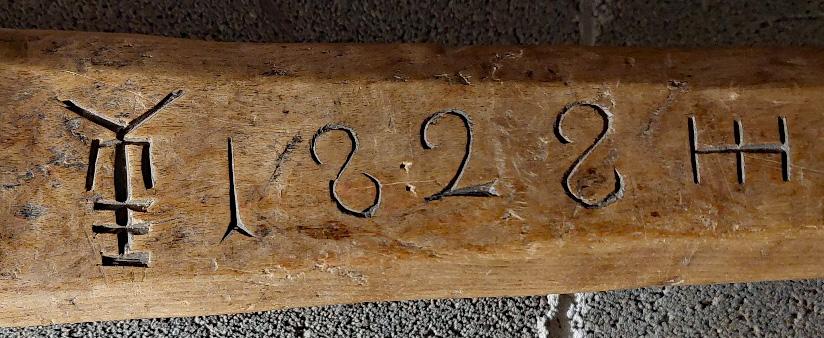
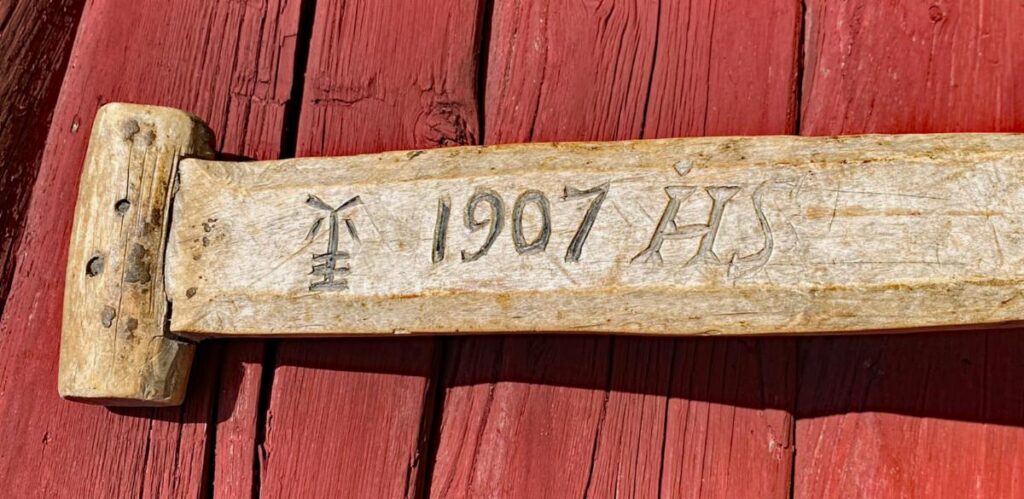
The subtle difference between generations is illustrated in the image above, It is believed this 1907 shovel handle with a bomärke belonged to Johan Henriksson Påval Sundqvist (1849 – 1913) as this mark matches another one we have associated with his name. We also think that Jacob’s grandson, Henry J. Sundqvist (HS) (1924 – 1995) added his initials after the fact.
In this day and age, the old family bomärken are lost, maybe in an archive within the parish books or records or could be on a building or in the basement of the emigrant family homestead. We wish there was a way we could help SFHS members find their family bomärke but that is nearly impossible. Hopefully each of you will ask the right questions of your family members and maybe the answers will come.