Why do Swedish-speaking Finns celebrate their heritage on November 6? The answer goes back to a 17th-century Swedish king, a political turning point in 1906, and a tradition that began in 1908.
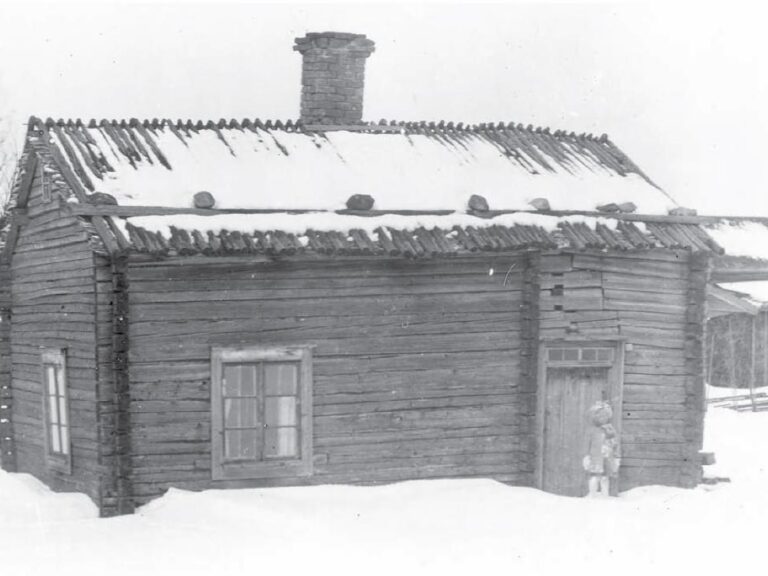
In Finland, the end of October has always been a time to mark the turning of the year and remember those who came before. Halloween is only the latest custom to find a place in that season.
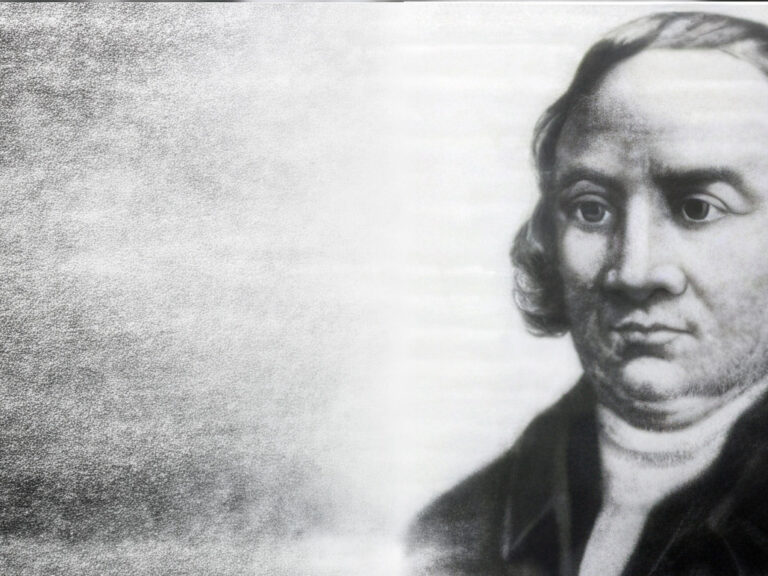
This article by Carl V. Lillvik – SFHS BOD Vice President – details the life of John Morton, a Founding Father of direct Finnish descent whose decisive vote in 1776 enabled the adoption of the U.S. Declaration of Independence. It traces his roots from Rautalampi, Finland, to his pivotal role in the Continental Congress and his contributions to the Articles of Confederation. The text also honors his legacy, his family's service in the Revolutionary War, and his recognition at the Old Swedish Burial Ground in Chester, Pennsylvania.
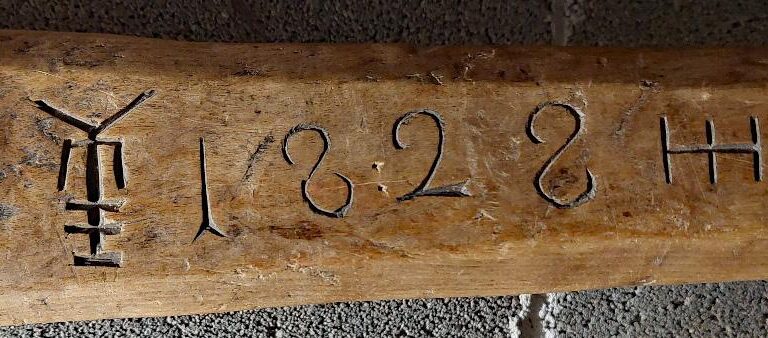
This article explores the historical significance of bomärken (farm and property marks) in Swedish-speaking Finland, illustrated through the author's family roots in Ytteresse. It details how these unique geometric symbols were used to identify property, track family lineages across generations, and authenticate goods prior to widespread literacy. By showcasing preserved family artifacts—including marked wooden shovel handles dating back to 1828—the text highlights bomärken as a lasting cultural link to ancestral heritage and community life.
Based on recollections preserved by the Svedberg family and the Malax Museum Association, this article offers a window into 19th-century Swedish-speaking Finnish Christmas traditions in Yttermalax. It details seasonal preparations, festive meals, and the early morning julotta church service, highlighting the contrast between historical hardship and modern comforts. Ultimately, the piece celebrates the enduring legacy of rural Finnish holiday customs, craftsmanship, and community spirit across generations.
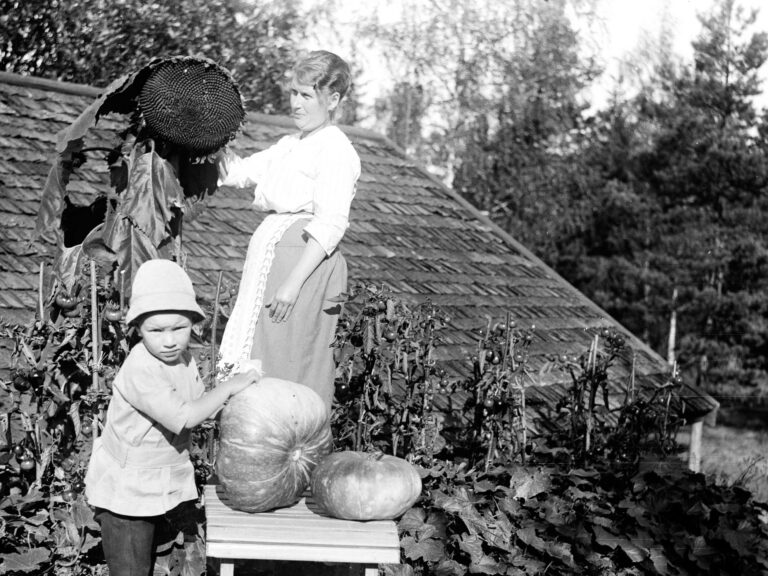
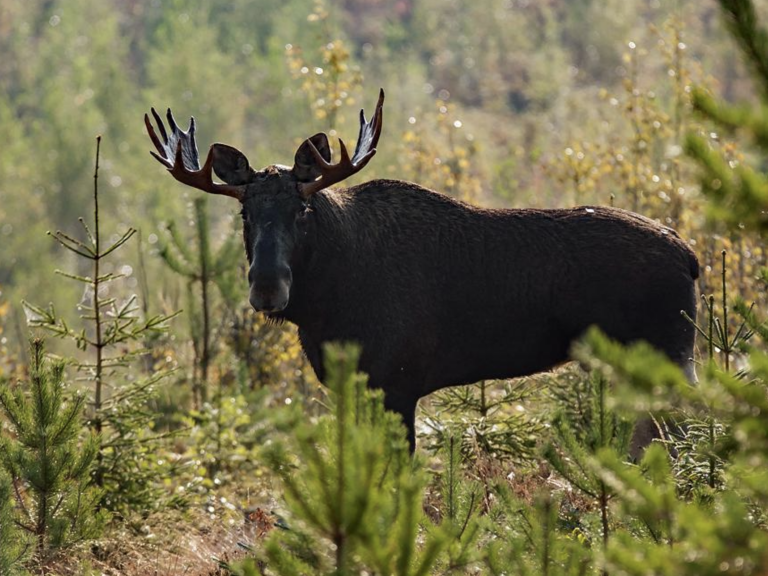
Deeply rooted in Östrobothnia, moose hunting seamlessly blends wildlife conservation, strict quota regulation, and centuries-old community traditions. Focusing on the Esse hunting club, the overview covers everything from specialized dog training to shared meat processing and fireside meals, showcasing how the seasonal älg hunt strengthens local identity and social ties.
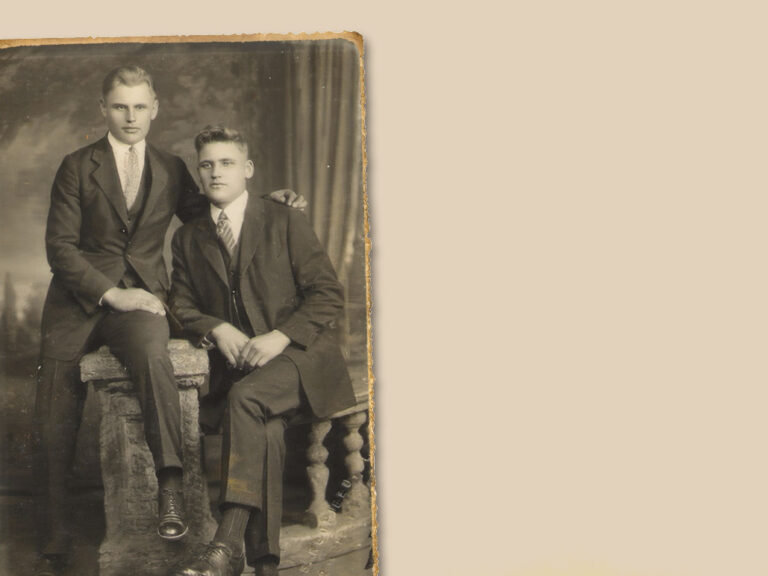
This edition of the Occasional Dispatch looks at a personal example of how brothers born in the US moved back to Finland with their Finnish family, returned to the US several years later and ended up with totally different last names. There is an explanation you likely haven't heard before.
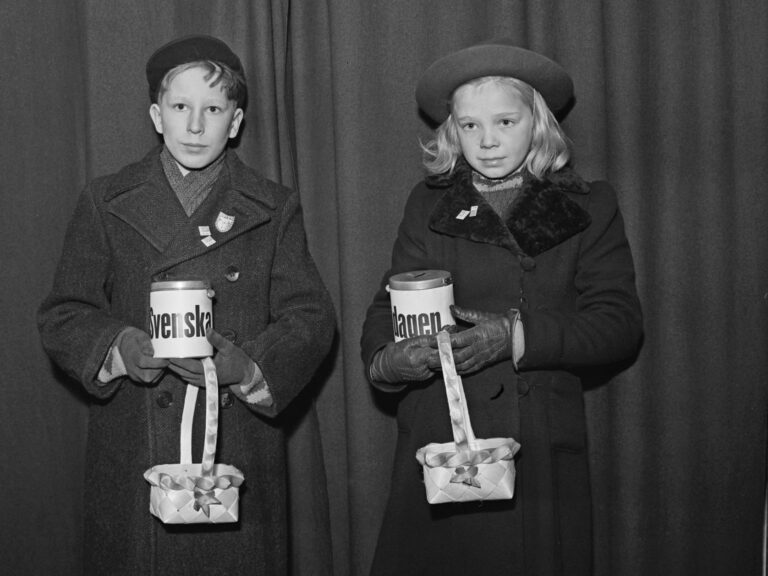
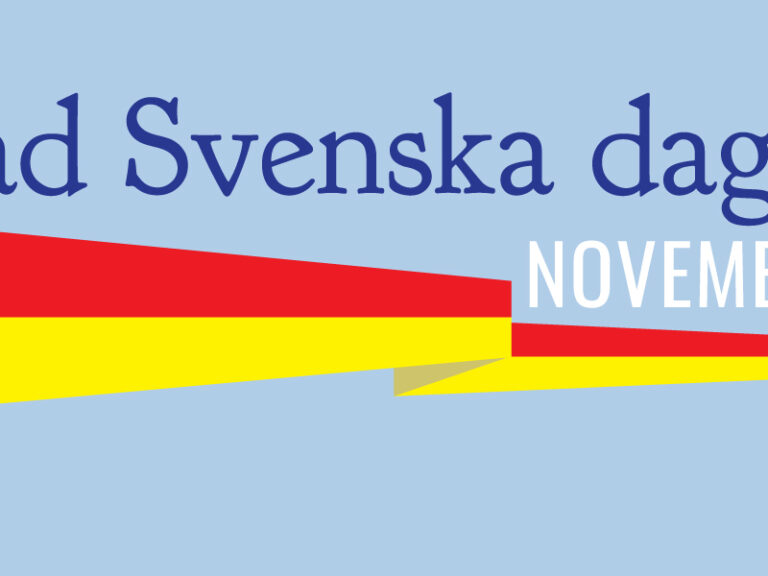
Svenska dagen or Swedish Finn Heritage Day is a unique holiday that was established in 1908 by the Swedish People’s Party of Finland—nine years before Finland gained…
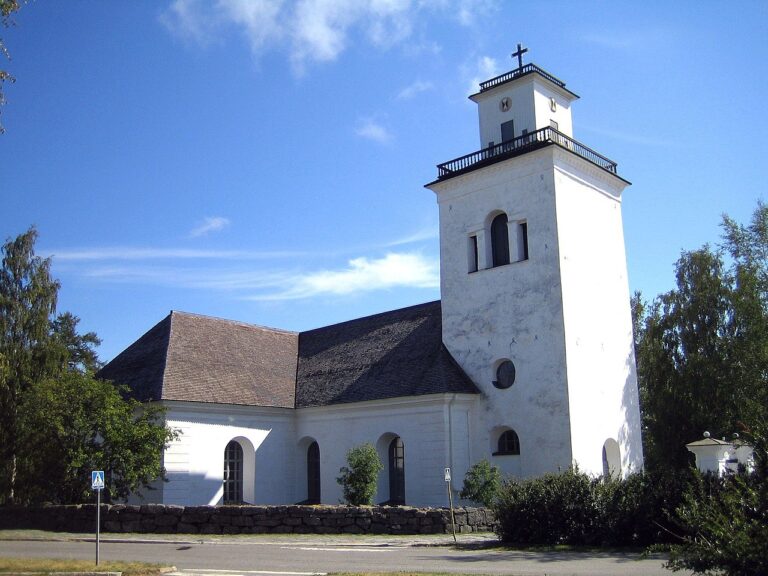
By Hjalmar Hildén From ’Den Österbottniska Byn’.English translation by June Pelo. When a stranger asks about the church village in Vörå, he probably has been told…
Excerpts from “Lars Frijs i Karleby” by Hans Ättlingar.Translated by June Pelo. I’m sure there are several readers who are descendants of Lars Friis, and there…
Subscribe to Our Newsletter
The Occasional Dispatch is our monthly e-newsletter sharing culture, history, and organization news—with periodic additional dispatches for seasonal features and event announcements. Subscribe today! If you are already an SFHS member, you will automatically receive the newsletter.
Preserve and Discover Your Roots
Protect your heritage and access exclusive genealogy archives. Read more about member benefits and start exploring your past!