Based on recollections preserved by the Svedberg family and the Malax Museum Association, this article offers a window into 19th-century Swedish-speaking Finnish Christmas traditions in Yttermalax. It details seasonal preparations, festive meals, and the early morning julotta church service, highlighting the contrast between historical hardship and modern comforts. Ultimately, the piece celebrates the enduring legacy of rural Finnish holiday customs, craftsmanship, and community spirit across generations.
By Michael Bell with permission from the Malax Museum Association
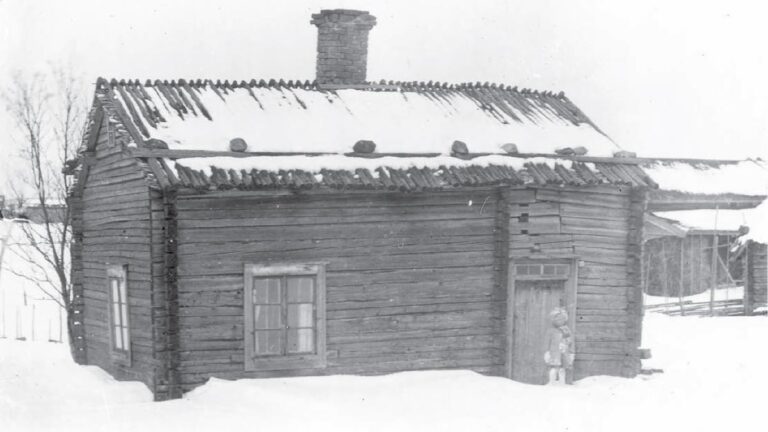
In the snowy village of Malax, nestled along Finland’s western coast, Christmas was once a season of quiet reverence, bustling preparation, and heartfelt community. Thanks to the preserved memories of the Svedberg family and the Malax Museum Society’s 2012 publication Vällingklockan, we are offered a rare window into the customs and spirit of a Swedish-speaking Finnish household in the late 1800s.
Preparing for the Holiday
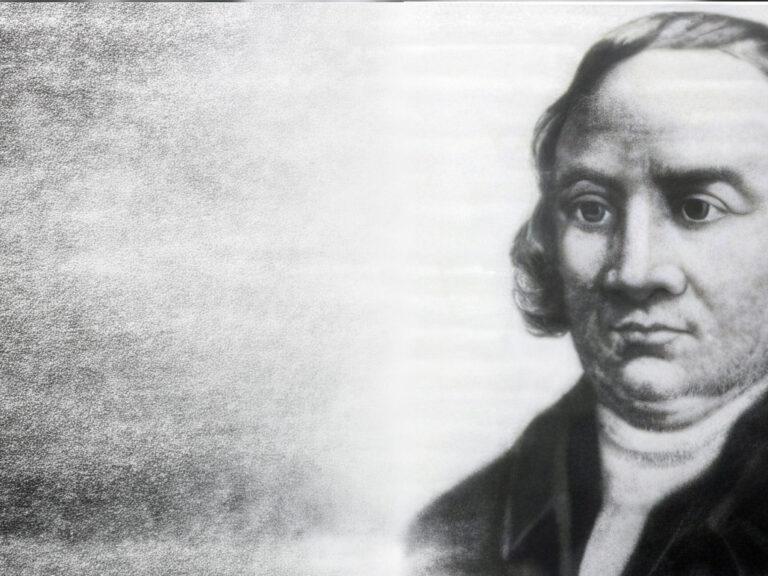
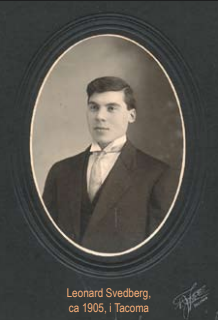
Leonard Svedberg (1886 – 1986), whose recollections were recorded by his niece Linnea Riska in Tacoma, Washington, described a lively home in Yttermalax. The Svedberg family – ten children and their parents – began preparing for Christmas as soon as the autumn harvest ended. The household buzzed with activity, brewwing, baking Malx’s signature sweet-sour bread, washing, and scrubbing the kitchen floors with sand.
Rugs were laid out, and juniper twigs were arranged in decorative strips between them. In earlier times, straw had been spread across he floor, a tradition that had faded by Leonard’s youth.
Gifts and Gatherings
While modern gift-giving was not yet common, small surprises were exchanged. A “gottagubbe” (a sweet bread shaped like a man) might be tossed through a door with a shouted name and no explanation—a playful gesture of affection.
The Christmas meal featured lutfisk and rice porridge, followed by singing. The Svedbergs were a musical family, and Leonard recalled his father leading the hymn “Och nu är det jul i min älskade Nord” with violin accompaniment.
(Hymn title translation – “And now it’s Christmas in my beloved North”)
Anna Sofia Bonn (née Svedberg, 1879–1963), Leonard’s sister and Michael Bell’s great-grandmother, also remembered these cherished meals. In a 1956 letter to her sister Johanna, she wrote:
“Linnea wrote how much fun you had at Christmas, just think they have electric lighting now in Christmas trees both outside and inside of the church, heat, etc. I remember when we were kids how cold it was in Malax church; we had fun when we had rice porridge and meat to eat in the big brick oven, and how good it tasted.”
Her words evoke the warmth and joy of gathering around the family table, savoring simple but meaningful traditions.
Christmas Morning and Church
On Christmas morning, the family walked to Malax Church for julotta, a dawn service that lasted from 6 to 10 a.m. The church, cold and candlelit, was filled with visible breath as hymns echoed through the stone walls. The Svedberg foundry had cast three of the church’s five chandeliers and several altar candlesticks, adding a personal touch to the sacred space.
Anna Sofia’s recollection of the cold church and the contrast with today’s warmth and electric lights adds a poignant layer to the story. Her memories remind us of the resilience and devotion that defined the holiday experience in earlier times.
After the service, the family returned home to enjoy roast meat and potatoes from the large brick oven—“the best meal of the year,” Leonard recalled.
Preserving the Past
These traditions, passed down through generations, reflect the resilience and creativity of Swedish Finns in rural Finland. The Svedberg family’s legacy, from their brass foundry to their holiday customs, is a testament to the enduring spirit of community and craftsmanship.
Images from Vällingklockan show candlelit trees, snowy museum grounds, and handwritten letters from soldiers at the front in 1939, reminding us that even in times of hardship, the warmth of Christmas endured.
As we gather this December, may we carry forward the light of these traditions—simple, heartfelt, and deeply rooted in the snowy soil of Finland.