Deeply rooted in Östrobothnia, moose hunting seamlessly blends wildlife conservation, strict quota regulation, and centuries-old community traditions. Focusing on the Esse hunting club, the overview covers everything from specialized dog training to shared meat processing and fireside meals, showcasing how the seasonal älg hunt strengthens local identity and social ties.
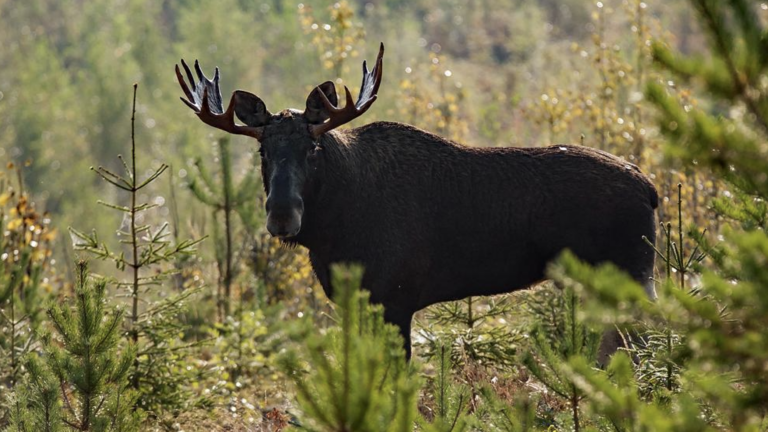
Moose hunting in the Swedish-speaking part of Finland, particularly in regions like Östrobothnia and Äland, is a tradition that dates back centuries and is an integral part of the local culture and lifestyle. It is a highly anticipated event that brings together families and friends. This activity is not only a sport but also a necessity to control the moose population and prevent damage to forests and agricultural lands.
In these areas people talk about “Älg.” There is always some debate on whether the animal is an elk or a moose. The confusion is completely understandable because it kind of means both. The word “Älg” means ‘elk’ in British English and ‘moose’ in American English. Typically, those in Östrobothnia refer to them as moose when talking with us. So, that is the term that will be used here.
The hunting season typically begins in October and lasts until December. During this period, hunters meticulously prepare by inspecting their weapons, training their hunting dogs, and planning their hunting strategies.
More Than a Sport: Community and Tradition in Östrobothnia
A typical hunting day starts early in the morning when hunters gather at the hunting lodge. After gathering and a review of the day’s plan, they head out into the forest. The hunt often takes place in groups where each member has a specific role, from tracking moose to driving them towards the shooters. Communication and cooperation are crucial for a successful hunt
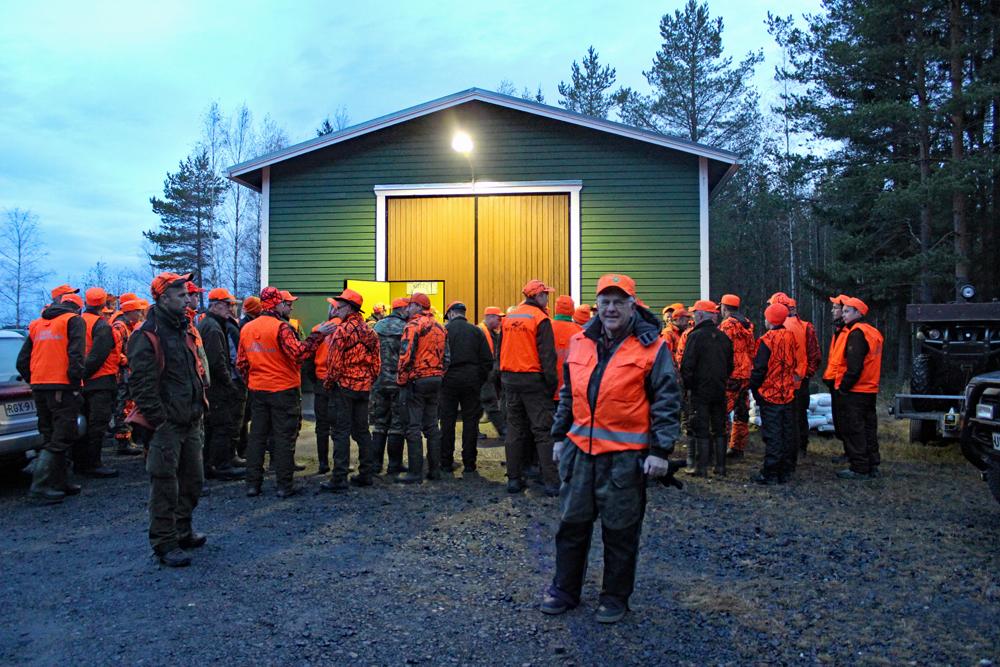
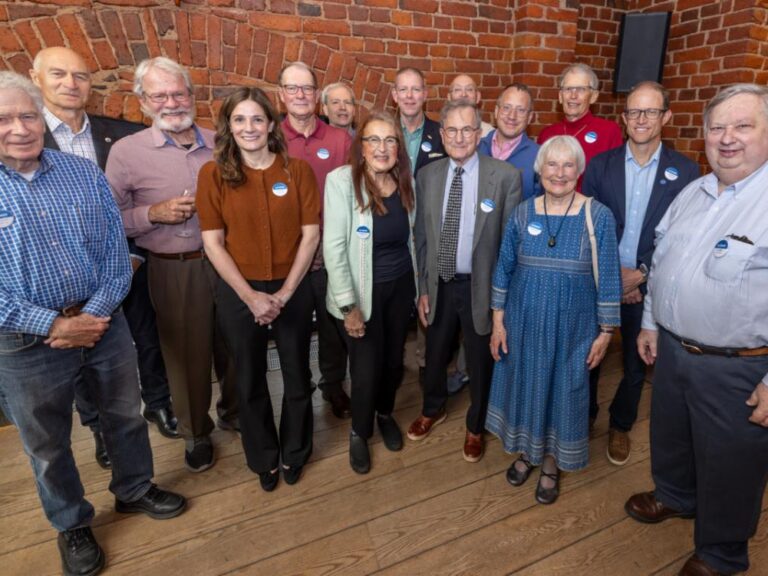
According to Daniel Sundqvist, a member of the Sundqvist family in Ytteresse, hunting in teams in hunting clubs is a long tradition that started after WWII. The Esse hunting club, for example, is comprised of 60+ members, usually split into 2-3 separate teams. This club is among the bigger ones in Östrobothnia. In the early days when they didn’t have dogs to help push the moose, half of the team walked in a line pushing the moose to the other half in a line to shoot if a moose came their way.
Hunting areas are usually by village and the surrounding woodlands. When moose are shot, they are brought to a cold storage facility owned by the clubs where they are hung, skinned, stored, and then cut and wrapped. Most clubs, even the smaller ones, have cold storage units. The meat from the hunts is shared equally among all the members.
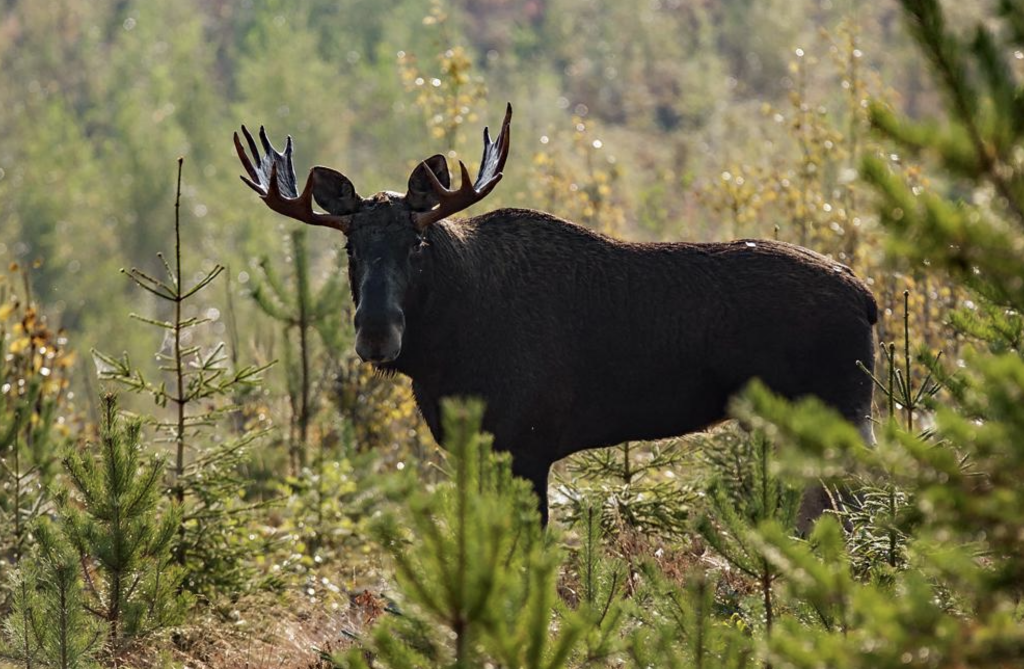
For many, moose hunting is more than just a hunt; it is an opportunity to enjoy nature and strengthen bonds with loved ones. The meat is a valuable resource used to prepare various dishes, from roasts to sausages.
How the Hunt Works: Dogs, Regulations, and Fireside Spirit
Moose hunting in the Swedish-speaking part of Finland is also regulated by strict laws and regulations. Hunters must have valid hunting licenses and adhere to quotas to ensure that the moose population is maintained at a sustainable level. Moose population surveys by area will set the quota or numbers of moose that can be taken for a particular year. For example, in 2025, that number is 45 in the Esse area. Additionally, there are rules on how the hunt should be conducted to minimize the suffering of the animals and ensure ethical hunting practices.
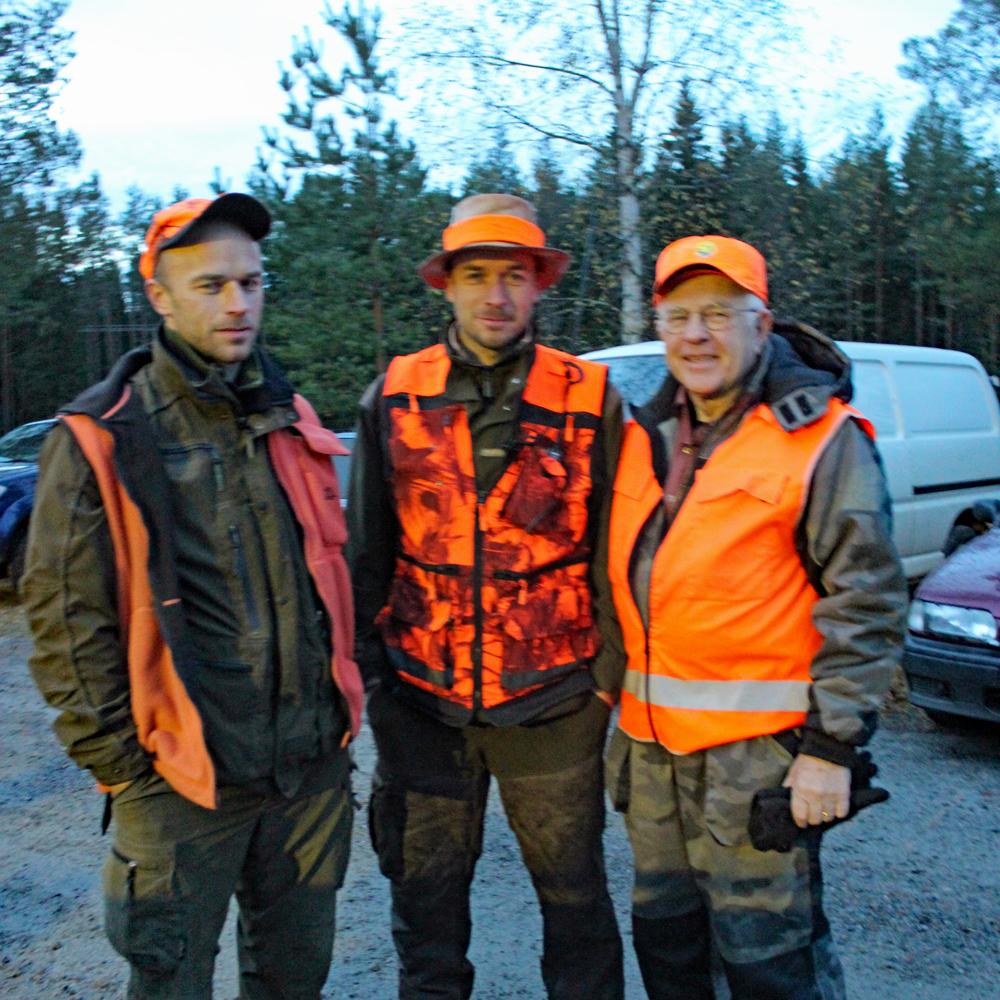
Dogs are common now and used during moose hunts. The most common type is either the ‘norsk grÄhund’ or what Daniel has is the Swedish ‘jämthund.’ He indicated that some also use Laikas. On August 20th, hunters are allowed to take their dogs out for training. The actual hunting season starts at the beginning of October and lasts until January.
I encountered a unique experience while hunting with the team as an observer since I didn’t have a permit to carry a rifle. After the first drive, the team quickly assembled, built a fire in a clearing, and cooked sausages. Daniel indicated that is quite common in Östrobothnia and is very good for the ‘team spirit.’ The sausages were delightful.
Moose hunting in the Swedish-speaking part of Finland is a deeply rooted tradition that combines sport, culture, and conservation. It is an activity that unites people and creates memories that last a lifetime.