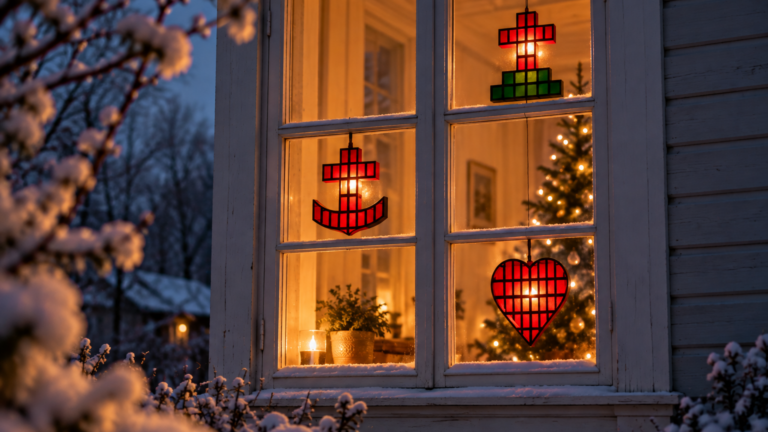
6. Independence Day
The day’s rhyming riddle was:
Finland’s Independence Day
On December 6th, Finland celebrates its independence. Unlike many national days marked by fireworks, street parties and large public celebrations, Finland’s Independence Day is traditionally quieter and more reflective. It is a day shaped by remembrance, gratitude and a deep appreciation of independence itself.
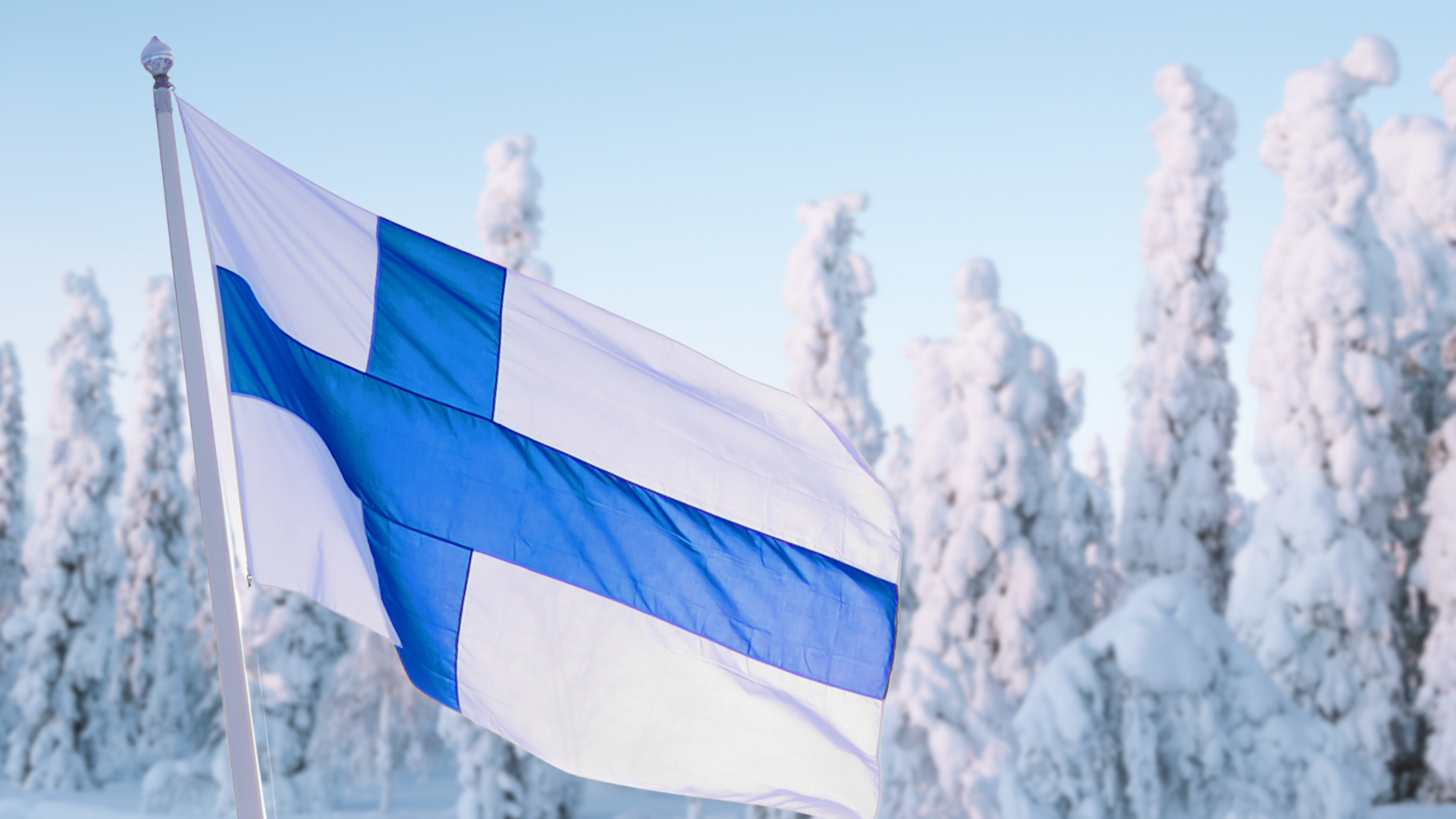
Finland declared independence from Russia on December 6th, 1917. Just over two decades later, that independence had to be defended in the Winter War and the Continuation War. This history still influences how the day is observed today.
Two Candles in the Window
As evening falls on December 6th, windows across Finland begin to glow with pairs of candles, often in the national colours of blue and white. The custom has become one of the most recognisable symbols of Independence Day.
Its history is surrounded by stories. One links the two candles to the Jaeger Movement, when they are said to have marked homes where young men secretly making their way to Germany for military training could find shelter. In 1927, the Independence League helped establish the custom as an Independence Day tradition by encouraging Finns to place two candles in their windows between 6 and 9 p.m. The tradition continues today, with blue and white candles still a familiar sight in Finnish windows on December 6th.
Remembering Those Who Served
Remembrance remains an important part of December 6th. Finns visit cemeteries and war memorials, and the Finnish Defence Forces organise a national parade in a different city each year.
Another familiar tradition takes place at home. Each Independence Day, many Finns watch Tuntematon sotilas (The Unknown Soldier), Edvin Laine’s 1955 film based on Väinö Linna’s novel about Finnish soldiers during the Continuation War. Its annual television screening has become a tradition in its own right.
The Castle Ball
As evening falls, attention turns to the Presidential Palace in Helsinki and Castle Ball, “Fest på slottet“. The tradition dates back to 1919 and today brings together guests from different fields of Finnish society, from politicians and diplomats to artists, athletes and other public figures.Each year, the reception also reflects a theme or a particular aspect of Finnish society. Recent celebrations have highlighted topics such as togetherness, changing times and the importance of education, with the theme often reflected in the guest list and programme.
The evening begins with its most famous ritual: each guest personally greets the President before joining the reception. The reception is broadcast live, and the guests, gowns and suits provide plenty to discuss at home.
Sources:
InfoFinland
Senate Properties
This Is Finland
Office of the President of the Republic of Finland