
Julkalender 2025

Welcome to our Advent Calendar filled with festive moments from Finland and North America!

Each day, a new window opens to reveal a story—one for every day leading up to Christmas Day. No peeking before the right date! The calendar is open to everyone, but by logging in, members will discover more treats and extended stories behind each window.
Julkalender, Day 1

Welcome to the first window of our 2025 Julkalender!

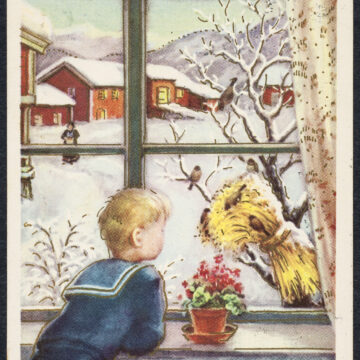
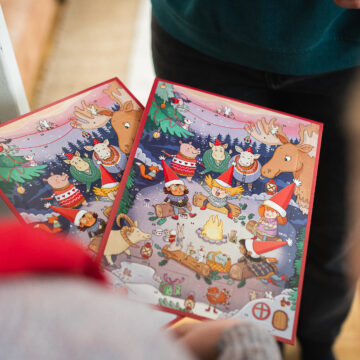
We begin with a tradition familiar to so many of us — the Advent calendar itself. While many Swedish-Finn families remember the classic picture calendars with snowy villages such as the Scouts’ annual calendar, an equally beloved tradition has been the televised Advent calendar.

Since the 1960’s, the Swedish public service television company SVT has broadcast a televised julkalender with one episode airing each day from December 1 to Christmas Eve. These episodes have become very popular among Swedish-Finn children as well. Last year SVT’s Christmas calendar Snödrömmar (Snow Dreams) became a sensation with nearly one million streams in its first day, click here to see the official trailer!

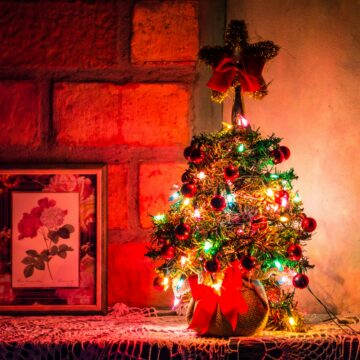
Each day this month leading up to Christmas Day, a new ornament on our tree will open to reveal a piece of Swedish Finn heritage. We hope you’ll join us for the journey!

Photo: Guides and Scouts of Finland, 2025, Netta Hautamäki.

Discover more

Julkalender, Day 2

While the American holiday season often kicks off with the large Thanksgiving feast, for many Swedish-speaking Finns the Christmas season begins with a smaller, more intimate celebration on the Saturday evening before the First Sunday of Advent.

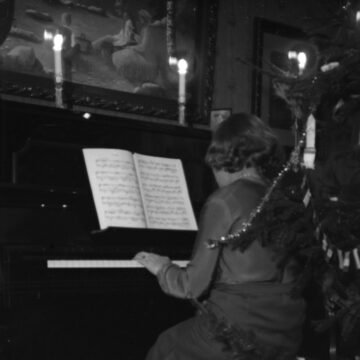
We are talking about Lillajul. It is exactly what it sounds like: a miniature version of Christmas Eve. It acts as a warm-up for the main event, celebrated with delightful, scaled-down versions of the main traditions. The centerpiece is the lillajulsgran—a “little Christmas tree.”

This tradition is particularly strong in the heartlands of Swedish-Finn culture, Ostrobothnia and the Åland Islands. It offers a moment of warmth in the darkening season—a gentle reminder that Christmas is near.

Discover more

Julkalender, Day 3

While American Christmas tables often overflow with sugary pies and candy canes, Finnish holiday baking leans toward the warmly spiced and subtly sweet. The season’s magic is scented with pepparkakor (gingerbread cookies) and filled with flaky, star-shaped pastries known as joulutorttu.

The origins of these treats take us back centuries. Gingerbread cookies, now a staple of every home, traces its roots to medieval Europe where it was a luxury reserved for the wealthy, once even spiced with black pepper. The name itself—pepparkaka in Swedish, literally meaning “pepper cake”—hints at this surprising history.

Equally beloved is the golden joulutorttu, a star-shaped puff pastry filled with dark plum jam that likely arrived from 18th-century Sweden. Likely arriving from 18th-century Sweden, this elegant treat is designed to resemble the Star of Bethlehem.

Discover more

Julkalender, Day 4

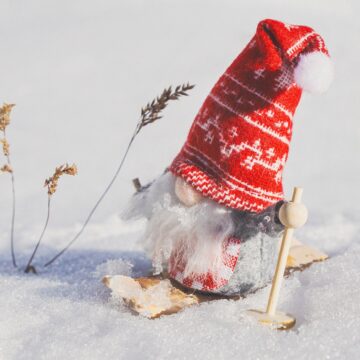
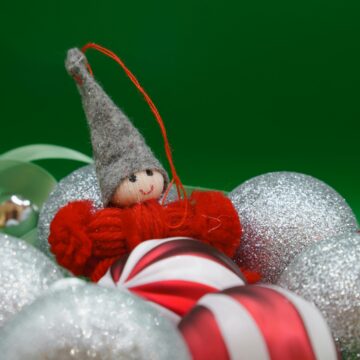
Elves. Those small, magical beings are a cornerstone of Christmas folklore. On the surface they seem alike, but the tomte your Swedish Finn great-grandparents believed in is a very different character from the elf sitting on a shelf in a modern home.

In Scandinavian and Finnish folklore, the farm gnome (gårdstomte) was the protector of the homestead. He was not a jolly toy-maker; he was a serious, ancient, and sometimes grumpy guardian who lived in the shadows of the barn or attic. He didn’t keep a “naughty or nice” list, but he demanded respect—and a bowl of porridge on Christmas Eve—in exchange for the farm’s prosperity.

Over the years, this solitary, grey-clad guardian transform into the cheerful helper we know and love today.

Discover more

Julkalender, Day 5

This Quest is open for everyone – both non-members and members. 

A trio of mischievous elves has scattered themselves across the SFHS website… think you can catch them? Find the three elves, follow the clues, and enter the draw to win the prize.

Learn more about the Elf Quest by clicking on Discover more below.

Happy searching — and good luck!


Discover more

Julkalender, Day 6

As we open the sixth door, we pause for a date of profound significance: December 6th. While the American 4th of July is known for barbecues and fireworks, Finland’s Independence Day is a celebration of a different kind—one rooted in remembrance, gratitude, and dignity following the hard-won freedom of 1917.

However, the day has its own unique spectacle. As evening falls, the nation gathers around their televisions to watch Linnan juhlat (The President’s Ball), where some 2,000 guests queue up to shake the President’s hand. The entire event is complete with commentators announcing each guest in the handshake line, while viewers at home provide their own fashion reviews. It is arguably the only time of year when war veterans, pop stars, and politicians share the same spotlight.

Discover more

Julkalender, Day 7

Welcome to the Second Sunday of Advent! The word “Advent” comes from the Latin adventus, meaning “arrival.” In the deep winter darkness of Finland and the Nordic countries, this arrival is marked, above all, by light.

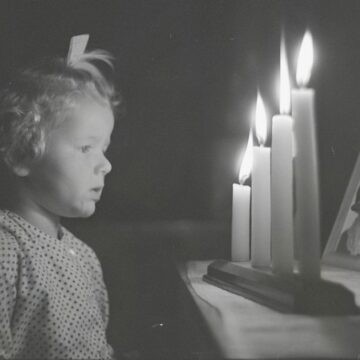
The most cherished symbol is the adventsljusstake (Advent candlestick). Whether it is the traditional holder with four candles lit one by one each Sunday, or the iconic seven-armed electric candelabra seen in nearly every Finnish window, these lights define the landscape of the season.

But the light doesn’t stop at the windowsill. During the holidays, Finnish cemeteries are not dark and somber, but transformed into glowing seas of candlelight as families honor those who came before.

Discover more

Julkalender, Day 8

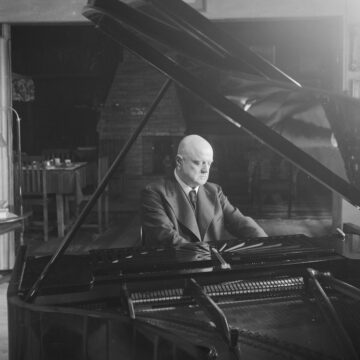
Today, December 8th, is the Day of Finnish Music. We celebrate the birthday of Jean Sibelius, the man whose compositions gave a voice to the Finnish soul. For the Swedish Finn Historical Society, this day is particularly special because “Janne”—as he was known to friends—was a Swedish-speaking Finn.

Writing under oppressive Russian rule, his music became an act of defiance. His masterpiece, Finlandia (click here to listen on YouTube), was so politically charged that to avoid being banned by censors, it often had to be performed under disguised names, such as “Impromptu.”

Sibelius also made his mark in the American classical scene, making a celebrated journey to Connecticut and receiving an honorary doctorate from Yale University in 1914.

Discover more

Julkalender, Day 9

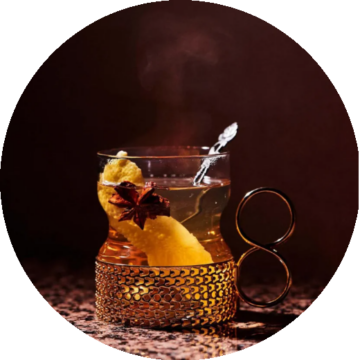
Glögg is Finland’s beloved winter drink, enjoyed either with or without alcohol. It’s usually made by gently heating spices like cinnamon, clove, ginger, and cardamom, then mixing in juice or wine — and sometimes a generous splash of something stronger. Almonds and raisins often join the party.

Finns take glögg surprisingly seriously… we even have vintage glögg, just like fine wine.

Though its roots go back to medieval spiced wine, glögg arrived in Finland in the early 1900s, thanks to a diplomat’s wife who brought the recipe home from Sweden. It first became a favourite among Swedish-speaking families on the west coast, and later spread nationwide in the 1960s. Finland’s first commercial glögg — the classic Marli version — appeared in 1954.

Curious to try a warm cup of glögg? Here is a traditional recipe for everyone to enjoy. Members can discover even more and dive into our stash of glögg variations.

Discover more

Julkalender, Day 10

In both Finland and across the Atlantic, families prepare in much the same way for Christmas: writing cards to loved ones, visiting bustling city streets, and filling homes with the comforting aroma of holiday baking.

The tradition of sending Christmas cards became a central part of the Finnish holiday spirit at the turn of the 20th century. It became a central way to maintain connections across distances, with cards featuring tomtes and winter scenes exchanging hands. Though fewer cards are sent today than in the past, tradition remains resilient; in 2023 alone, Finns still mailed around 12 million physical Christmas cards.

The anticipation was also visible in the city streets. In 1948, Helsinki’s Alexandersgatan (Alexander Street) shimmered with festive electric garlands for the first time, bringing much-needed joy to residents emerging from years of postwar austerity. This tradition of bringing light to the darkest time of year soon spread to cities like Vaasa and Tampere.

Discover more

Julkalender, Day 11

Looking to create the ultimate Finnish Christmas fish feast? The spread is abundant.

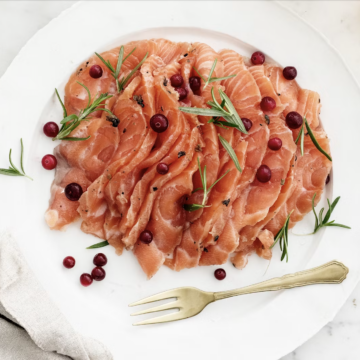
Roe is often served in multiple varieties — such as rainbow trout or whitefish — alongside toasted bread or potatoes, crème fraîche or smetana, and finely chopped red onion. Herring is another essential, typically offered in both clear brines and creamy marinades with mustard, dill, or onions. Gravlax or cold-smoked salmon adds a silky, luxurious note; while the classic version uses salt, sugar, and dill, many families now embrace modern twists like gin-cured or even blueberry-cured salmon. Hot-smoked or flamed salmon brings richer, deeper flavors, sometimes paired with species like Arctic char for added variety. Some households also include lutefisk (lipeäkala), one of the oldest Christmas dishes in Finland, traditionally served with a mild white sauce.

Altogether, the Christmas fish table blends heritage and creativity — honoring beloved recipes while welcoming fresh, modern interpretations that keep the tradition alive.

Discover more

Julkalender, Day 12

In North America, the soundtrack of the season is often defined by the joyous energy of Jingle Bell Rock or the commercial power of Mariah Carey. However, in Finland and the Nordic countries, the most cherished Christmas songs strike a more melancholic chord.

Two of the most beloved Swedish-Finn carols, both penned by the cultural icon Zacharias Topelius, illustrate this perfectly. Sylvias Julvisa does not celebrate a warm hearth, but tells the story of a bird caged in sunny Sicily, longing for the cold, dark winter of its northern homeland. Click here to listen.

Even more poignant is Varpunen jouluaamuna (Sparrow on Christmas Morning), which reveals a heartbreaking narrative: the small bird eating a crumb of bread is actually the spirit of the narrator’s deceased little brother. These songs capture a culture that finds beauty not just in celebration, but in deep remembrance. Click here to listen.

Discover more

Julkalender, Day 13

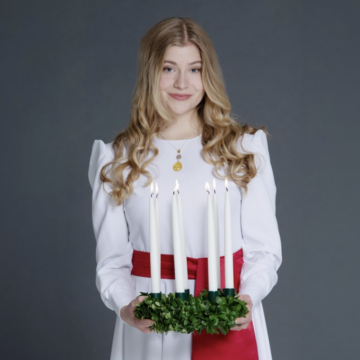
Saint Lucia’s Day, celebrated on December 13, is a cherished Nordic tradition that came to Finland from Sweden and remains especially important in Swedish-speaking regions. Lucia symbolizes light and hope during the darkest time of year. Her white gown, red sash, and crown of candles honor Saint Lucia of Syracuse, a 3rd-century martyr whose story inspired the celebration.

The tradition took root in Finland in the late 19th century, spreading from Swedish-speaking schools to coastal towns. Each year, the national Lucia is crowned at Helsinki Cathedral in a widely followed ceremony, and candlelit processions, songs, and community celebrations continue across the country.

Lussekatter — golden saffron buns — are part of the Lucia tradition too. Originating in Germany and Sweden, they arrived in Finland in the early 20th century and are still enjoyed especially in Swedish-speaking areas during Lucia festivities.

Discover more

Julkalender, Day 14

Looking for a fun twist to add to your Christmas feast?

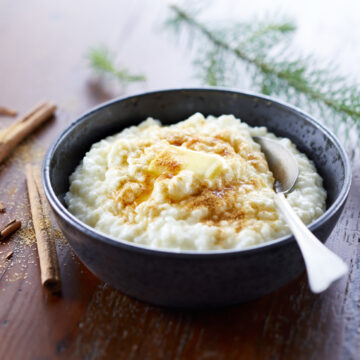
Try hiding a lucky almond in your rice porridge — a typical Christmas food in Finland – or slip it into a pie or any other holiday dish for an extra surprise!

The rules are simple: whoever finds the almond wins. What they win is entirely up to you — a small prize or a silly title. According to old tales, whoever finds the almond is said to enjoy good luck. It’s an easy way to spark laughter, add a bit of friendly competition, and bring an old Nordic tradition to life.

So go on — hide the almond, and let the fun begin!

Discover more

Julkalender, Day 15

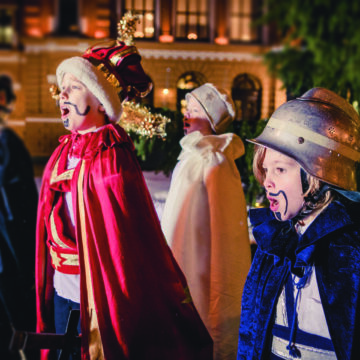
The Tiernapojat — or Star Boys — tradition has traveled a long and winding path through history. What began centuries ago as a church mystery play about the Three Wise Men gradually transformed into a lively folk performance sung in marketplaces and town squares. Over time, the tradition spread across Europe, eventually taking root in Finland, where it became especially beloved in Northern Ostrobothnia.

Today, Tiernapojat remains a unique blend of music, storytelling, and local culture — a Christmas tradition kept alive by new generations of performers, especially in the Oulu and Vaasa regions.

Discover more

Julkalender, Day 16

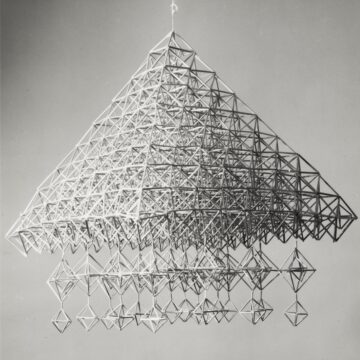
The traditional Nordic Christmas aesthetic was born from nature and symbolism. Historically, decorations were often crafted from the gifts of the earth, particularly the straw of the final harvest. This humble material gave us enduring symbols like the himmeli—a geometric mobile believed to ensure a good crop—and the julbock (straw goat), a figure rooted in ancient mythology.

Alongside these handmade treasures are beloved heirlooms like the änglaspel (angel chimes). While considered a Swedish classic, this brass decoration actually traces its roots to a German patent from the early 1900s. The centerpiece of the home, the Christmas tree, also has a rich history, evolving from the use of real candles to the electric lights that finally became standard in the 1950s.

Discover more

Julkalender, Day 17

Yesterday, we looked at the himmeli as a decoration. Today, we explore the work of the woman who turned it into high art.

Living on a farm near Vaasa, Eija Koski is a world-renowned himmeli artist. For her, the process doesn’t begin at the craft table—it begins in the field. She grows her own organic rye, harvesting and drying it for a full year to get the perfect golden hue.

From her childhood memories of watching straw mobiles sway in her aunt’s home, to exhibiting her work at the Smithsonian and in Tokyo, Koski has sparked a global renaissance for this traditional craft. Click here to watch a YouTube video, where Eija shares the philosophy behind her work.

Photo: A himmeli exhibition at Amurin Helmi in Tampere on December 5, 2006. Photo by Reetta Tervakangas. Vapriikki Photo Archive.

Discover more

Julkalender, Day 18

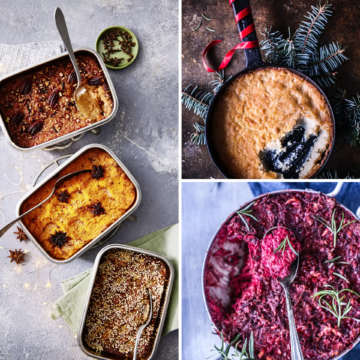
The Finnish Christmas table wouldn’t be complete without root vegetable casseroles, such as carrot, rutabaga or malted potato casserole, served alongside mustard-glazed ham year after year. Love them or debate them, these classics remain an essential part of the holiday table—now often joined by modern twists and new flavors.

Try making malted potato casserole yourself and find the full recipe on our website. (Link to recipes)

By logging in, members can discover more holiday casserole recipes for inspiration.

Discover more

Julkalender, Day 19

When the winter is long and the snow is deep, you have two choices: hibernate, or embrace the elements with a touch of sisu. In Finland, this perseverance is perfectly captured by some truly unique winter sports, ranging from the humor of Snow Soccer to the high-speed thrill of Ice Sailing.

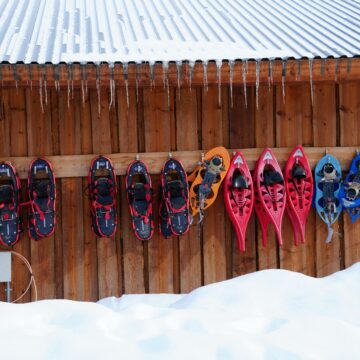
But perhaps the most surprising history belongs to Snowshoe Racing. While many think of snowshoeing as a peaceful walk in the woods, the competitive version is an all-out sprint. Finland has traditionally been a nation of skiers, so the history of the snowshoe reveals a fascinating transatlantic connection.

It was actually returning emigrants who helped popularize the tool in Finland, having adopted the Indigenous technology during their time in North America. The influence became so strong that by the late 19th century, the Finnish army began organizing snowshoe races in Oulu, blending a North American survival tool with Finnish competitive spirit.

Discover more

Julkalender, Day 20

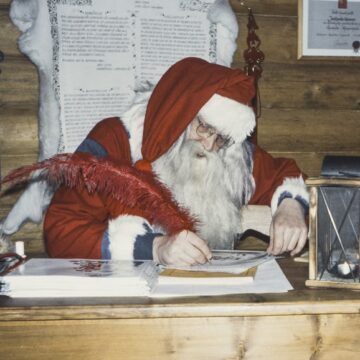
In the United States, Santa Claus is a figure of mystery—a silent visitor who descends the chimney while the world sleeps. In Finland, the folklore is quite different. There is no sneaking around in the dark. Instead, the Finnish Jultomte is a tangible guest who knocks on the front door on Christmas Eve to deliver gifts in person.

But the “Yule Buck” wasn’t always the friendly grandfather figure we know today. The name itself hints at a more rugged history rooted in the tradition of the Nuuttipukki. In the early 20th century, the Finnish gift-bringer was a severe character who often wore a fur coat turned inside out and a frightening mask made of birch bark or cardboard.

Unlike the American tradition where he vanishes without a trace, the Finnish Santa enters the home on the 24th of December, sits on a chair in the living room and asks the most important question of the evening: “Are there any nice children here?”

Discover more

Julkalender, Day 21

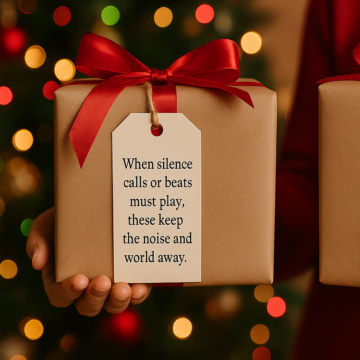
Writing julrim—playful Christmas gift rhymes—is a beloved tradition that made its way from Sweden into the holiday celebrations of the Swedish-Finn community. A julklappsrim is a short, clever verse attached to a present, offering a hint about what’s inside without giving too much away. When it’s time to give the gift, read the rhyme aloud and let the recipient guess what’s hidden inside. The little rhymes add anticipation, humor, and a wonderfully personal touch to gift-giving.

Why not try writing one yourself this year — and challenge your family or friends to join in?

Discover more

Julkalender, Day 22

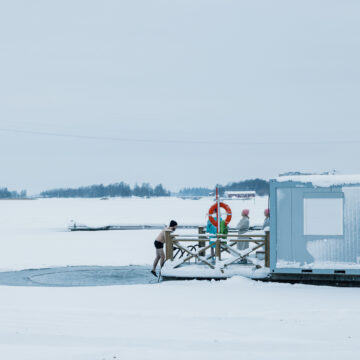
Winter swimming in Finland began in the 18th century as part of old healing and purification rituals, often paired with the sauna’s heat to refresh body and mind. Over time, this tradition evolved into something deeper than mere health practice. The sharp contrast between hot and cold became a kind of meditation.

By the mid-1900s, cold-water dips had spread nationwide and gained scientific support for their health benefits — from improved circulation to boosted mood. But remember: cold-water swimming is a powerful experience, so ease into it — start gradually, dress warmly, keep your dip brief, and always bring a friend. It is important to note that winter swimming isn’t suitable for everyone.

Today, winter swimming is one of Finland’s most cherished winter traditions, enjoyed in clubs and quiet lakes alike, and has even become an international wellness trend. It has also grown into a sport, with the Winter Swimming World Championships held every two years around the world.

Go on, take a (virtual) icy plunge — and dive into this YouTube video!

Discover more

Julkalender, Day 23

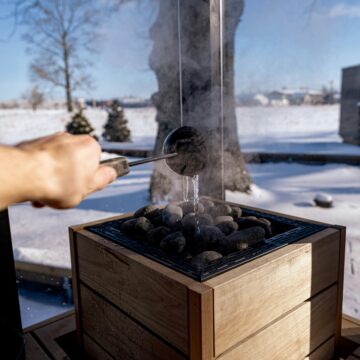
Welcome to dan före dopparedan—Christmas Eve Eve! While the ham is thawing and the final gifts are being wrapped, there is one essential ritual that sets the tempo for the Finnish Christmas. We are talking about the Christmas sauna. Although the stove is traditionally lit on Christmas Eve to wash away the year’s labor, the spiritual preparation begins now. Before the peace of Christmas can descend, the sanctuary itself must be scrubbed, purified, and made ready for the most important hour of the holiday.

The Christmas sauna is arguably the oldest surviving holiday tradition in Finland, predating Christmas trees and wrapped gifts. From the smoke saunas of the 19th century to the estimated 2.7 million modern saunas scattered across Finland today, the essence of this tradition remains unchanged. Inside the steam room, a church-like silence is observed, and the heat—soaring up to 100°C (212°F)—melts away the winter chill. It is a profound time for physical and spiritual cleansing, often accompanied by the scent of birch, the soft glow of lanterns, and a deep respect for the silence of the room.

Discover more

Julkalender, Day 24

This window is open for everyone to enjoy!

In this exclusive video, we bring together the best of both worlds: Steve and Sharon Fant, an American Santa and Mrs. Claus, and Jonas and Jenna Laurila, a Santa Claus and Elf duo from Vaasa. Watch as they compare the spectacular American parades with the intimate Finnish tradition of door-to-door visits, sharing heartwarming stories from behind the beard.

Click Discover more to watch the full interview!

Discover more

Julkalender, Day 25

A special Christmas Day treat: This door is open for everyone to enjoy!

God jul and Merry Christmas! To conclude our calendar, we present a warm video greeting from the Board of Directors of the Swedish Finn Historical Society. This is your chance to see and hear from the dedicated individuals working behind the scenes to preserve our Swedish Finn heritage.

Click Discover more to watch the full message!

Discover more
Privacy Overview

This website uses cookies so that we can provide you with the best user experience possible. Cookie information is stored in your browser and performs functions such as recognising you when you return to our website and helping our team to understand which sections of the website you find most interesting and useful.

Strictly Necessary Cookies

Strictly Necessary Cookie should be enabled at all times so that we can save your preferences for cookie settings.

3rd Party Cookies

This website uses Google Analytics to collect anonymous information such as the number of visitors to the site, and the most popular pages.

Keeping this cookie enabled helps us to improve our website.